
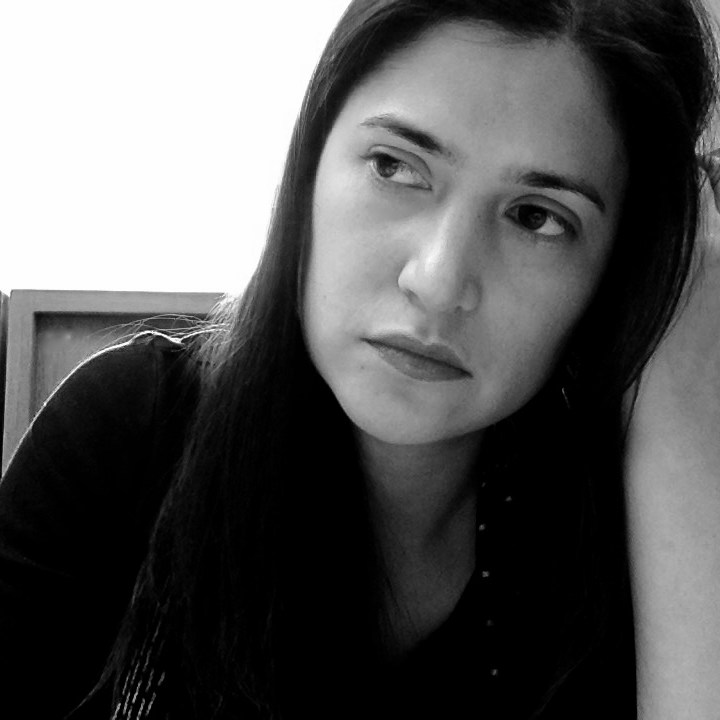
Associate Professor
African American Studies
African American History
Emerson College
Mari N. Crabtree – writer and professor of African American Studies.
Mari N. Crabtree is a writer and an associate professor of African American Studies and African American History at Emerson College in the Marlboro Institute for Liberal Arts and Interdisciplinary Studies. An interdisciplinary scholar, her research blends Black studies, cultural studies, history, and literature. She seeks to excavate Black life beyond the binary of suffering or resistance by exploring how culture provides a lens for understanding the struggle for Black liberation but also Black ingenuity, joy, and love.
Her book, My Soul Is a Witness: The Traumatic Afterlife of Lynching, was published in 2022 by Yale University Press as part of the New Directions in Narrative History series. She also has published essays in Raritan, Rethinking History, Contemporaries, Chronicle of Higher Education, and elsewhere. Currently, she is working on a book of essays titled “Co-Opted: Essays on Black Studies and Ethical Praxis in the Age of Neoliberalism” and a monograph on the pleasures and political utility of guile, deception, and humor in the African American cultural tradition titled “Guile: The Pleasures and Political Utility of Subversion in the African American Cultural Tradition.”
Before joining the faculty at Emerson College, she taught African American Studies at the College of Charleston and was a visiting research scholar with Princeton University’s Department of African American Studies. She received her AB from Amherst College and her MA and PhD from Cornell University.
Teaching Interests
- African American cultural history
- collective memory and racial violence
- life and writings of James Baldwin
- Black satire, dark humor
- mass incarceration
- Afro-Asian cultural connections
- African American writers and the meaning of home
- Black freedom struggle
The blog for the Halsey Institute for Contemporary Art featured essays by students in her Race, Violence, and Memory in American History course: Making Art in the Wake: Essays on La Vaughn Belle’s When the Land Meets the Body.
 Mari N. Crabtree